What I Actually Use AI For
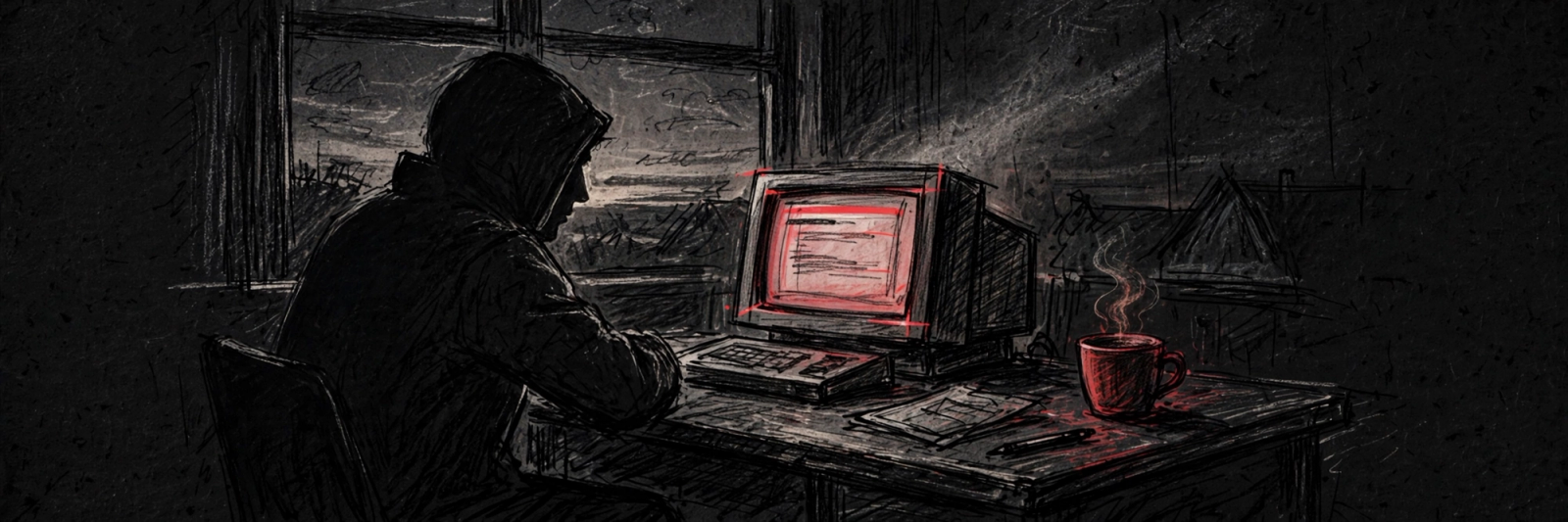
Everyone's got an AI take. Most of them are useless.
The hype cycle goes like this: someone discovers a new model, posts a thread about how it "changed everything," lists 47 prompts, and goes back to doing exactly what they were doing before. Nothing changed. They just have a new toy.
I don't have takes. I have a system. I run a meaningful part of my life through AI — my mornings, my inbox, my builds, my phone calls — and I've learned what's real and what's theater. Here's the honest version.
---
My second-in-command.
Every morning I open Muse and get a briefing. Overnight news in growth marketing. My calendar for the day. My top three priorities based on what's actually due. It takes about ninety seconds to read, and it replaces the twenty minutes I used to spend figuring out what day it was.
This isn't a clever prompt. It's a system prompt I wrote once — a chief-of-staff instruction set that knows how I work, what I care about, and what "important" means to me specifically. I built it over months of correcting it. "No, that's not what I meant by urgent." "Yes, always flag that." The prompt is the product of a hundred small corrections, and now it just works.
The lesson nobody wants to hear: the value isn't in the model. It's in the hundred corrections. Anyone can write a prompt. Almost nobody will do the unsexy work of training it on their actual life.
I also run inbox triage through it. Meeting follow-ups. A deep-research workflow before big decisions — it pulls the threads together, grades its own confidence, and tells me where it's guessing. I don't trust it blindly. I trust it the way I trust a sharp junior operator: good first pass, I check the important parts.
---
What I don't use it for.
I don't use AI to write things that need to sound like me. This post? Me. My blog posts? Me. Anything where the voice matters — AI doesn't have mine, and the uncanny almost-right version is worse than just doing it myself.
I don't use it for decisions that need judgment. It can lay out the options, find the blind spots, steelman the other side. But the call is mine. Anyone outsourcing judgment to a model is going to learn an expensive lesson about accountability.
I don't use it for relationships. It doesn't text my daughters. It doesn't check in on my friends. There's a line, and I know exactly where it is.
---
The phone calls.
I have a speech issue related to autism. Phone calls are hard — not inconvenient, hard. So I set up an AI voice system that makes calls for me from scripts I write. It calls, says it's calling on behalf of Stephen Peele II, handles the conversation, and reports back.
This is the use case nobody talks about in the AI discourse. Not productivity hacks. Not "10x your output." Access. The difference between being able to handle a phone call and not. Between independence and asking someone else to call for you.
When people ask me what AI is "really for," this is my answer. Not the demos. The thing that lets someone do something they couldn't do before.
---
The builds.
I ship software with AI assistance constantly. Not vibe-coded toys — real things with users. An audit tool that tears down local business websites and writes the teardown. An intake funnel. A template gallery with 98 entries.
Here's what I've learned: AI makes me faster at the parts I already know how to do. It does not replace knowing how to do them. The people getting burned are the ones who skipped the "learn the thing" step and went straight to "generate the thing." They can't tell when the output is wrong, because they never learned what right looks like.
My rule: AI writes the first draft, I bring the judgment. Every time. No exceptions.
---
What I'd tell you.
Stop collecting prompts. Pick one painful, repetitive part of your week — the morning planning, the inbox, the meeting notes, the thing you dread — and build a system for it. Not a prompt. A system. Write the instructions, run it, correct it, run it again. Do that ten times and you'll have something worth keeping.
And ignore anyone selling you the idea that AI is about to replace the thinking. It's about removing the friction around the thinking. The judgment is still yours. It always was.
The people winning with AI aren't the ones with the best prompts. They're the ones who did the boring work of teaching a system how they actually operate — and then let it handle the parts that don't need them.
That's what I use it for. Everything else is noise.
A note from the author
Thanks for reading. If this sparked something — a question, a disagreement, a project idea — I want to hear it.
The fastest way to reach me is steve@stevepeeleii.com, or say hello through the contact page.
— Steve Peele II